Terminology
Digisig brings together information from many different sources, including published seal catalogues, research datasets, and many other types of finding aids. These sources can use contrasting terms for the same concepts.
To ensure that differences in terminology do not affect searches on Digisig, the various sources have been aligned internally with Digisig's own terminology. Digisig is a work in progress and is subject to change.
General Terms
Seal
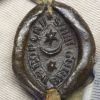
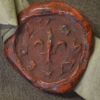
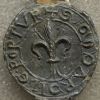
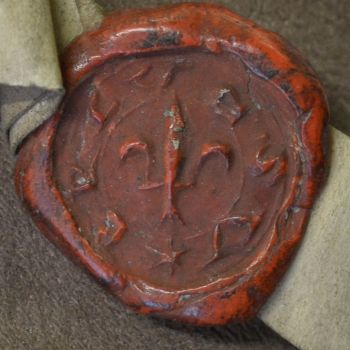
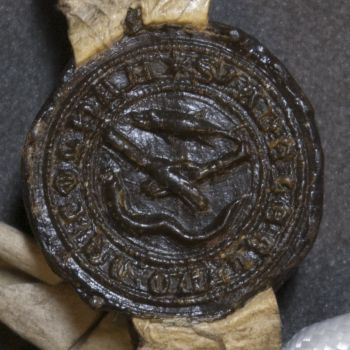
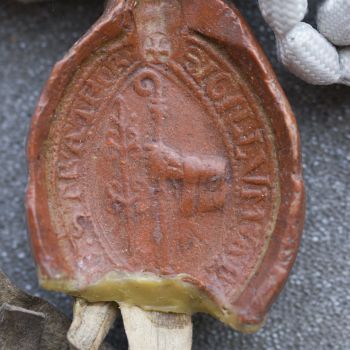
A symbolic object that comprises an identifiable symbol or an aggregation of symbols, such as images or characters, that form a single unit and are intended to be used as a tool of validation, authentication or closure, by means of printing or impressing.
Attachment
The means, such as cords or a slip of parchment, by which the support is linked to the thing that is supposed to receive the seal.
Location
A spatial area with which a seal can be associated. The location is normally derived from the information in the item to which the seal is appended and refers to a point where the sigillant acted when using the seal. The location is normally the location that cataloguers at the repository that holds the item have assigned to the item.
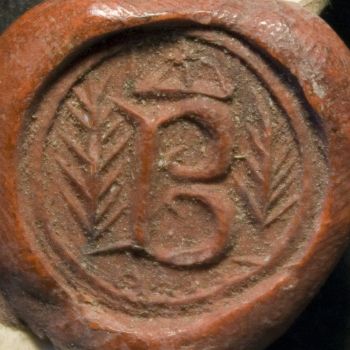
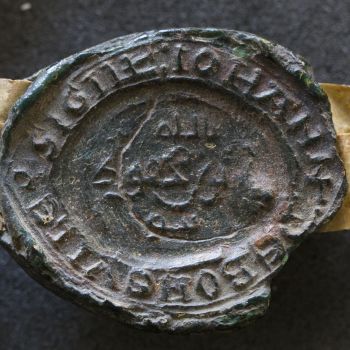
Seal Impression
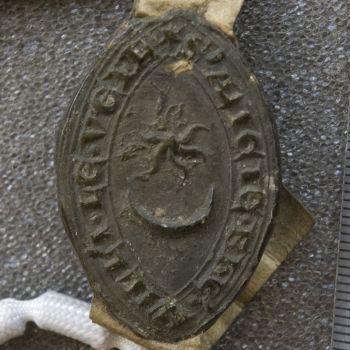
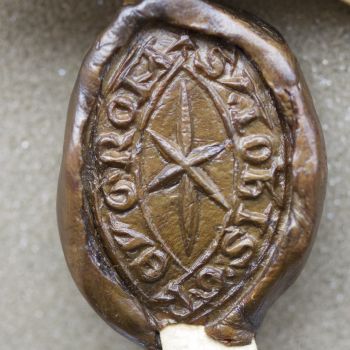
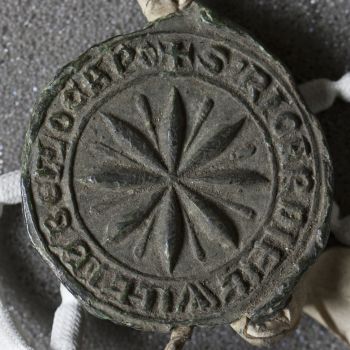
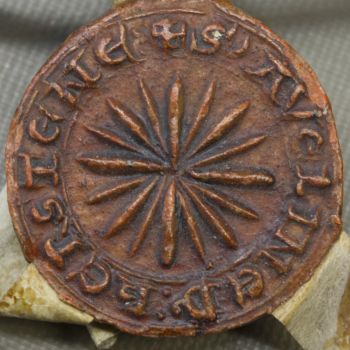
A permanent mark that is left through the application of a seal matrix to an impression material.
Collection
A set of systematically arranged descriptions of seals. The collection may take any form, including printed book, card catalogue, hand list, or digital record.
Item
A thing that a repository considers to be complete in itself and to which it has assigned an identifier, such as a shelfmark or a call number. An item may consist of several pieces, but is treated as a unit.
Sigillant
The authority or person who is identified by the seal and in whose name seal impressions are created. The sigillant is to be distinguished from an official who holds custody of a seal, and the beneficiary, who possesses an impression of the seal.
Repository
A place where items are stored and maintained. More specifically, an organization that holds seals, including archives, libraries, museums, historical societies.
Series
A group of similar items that are stored in a particular repository, arranged according to a filing system, and that are related as the result of being created, received or used in the same activity.
Support
A material that holds the manifestation of the seal (positive or negative). A support is made from a material, can have an attachment, and form part of an item.
Position
The information needed to locate a manifestation as part of item. This information typically includes the number of the support and the side of the support (front or back).
Description Identifier
The identifier for a particular seal description within a systematically arranged collection of seal descriptions
Seal Description
A description of a seal. The description will normally form part of a collection of systematically arranged descriptions and will include reference to a range of aspects of the seal, such as the size and shape
Representation
A graphic that captures the appearance of a seal. The graphic may be in any media, including photography, and it may be static or dynamic, so includes computationally generated visualizations
Classification
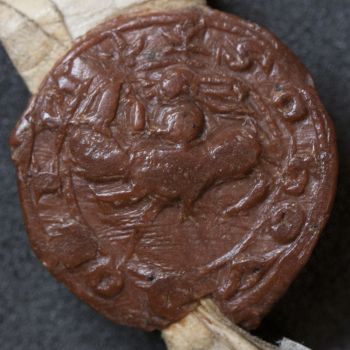
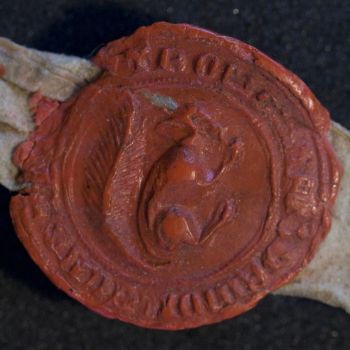
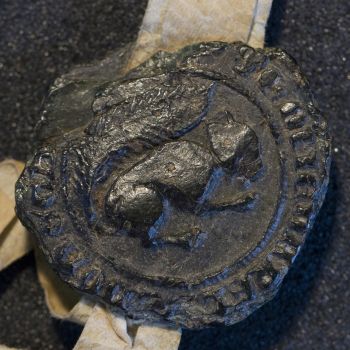
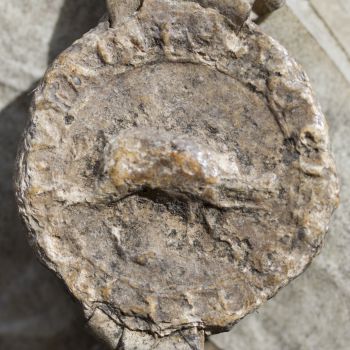
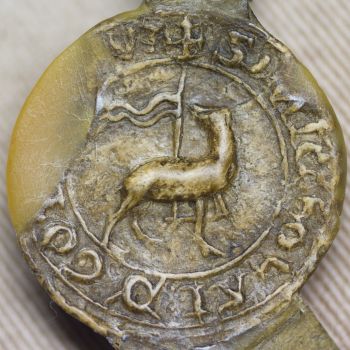
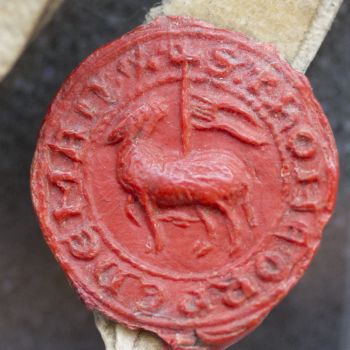
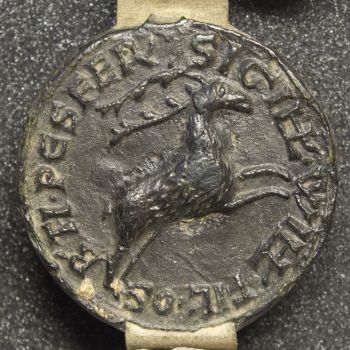
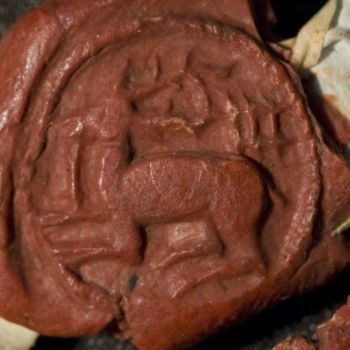
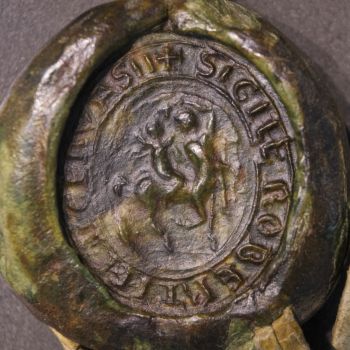
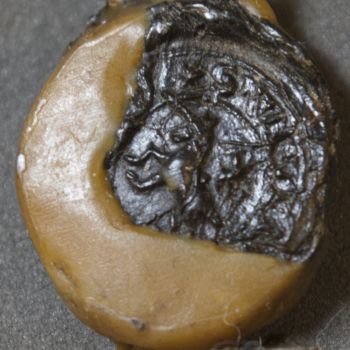
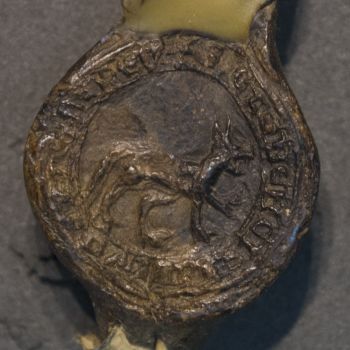
Digisig's classification system is hierarchical, with parent and child classes. The iconography reflects the taxonomic rigor of sigillographic studies.




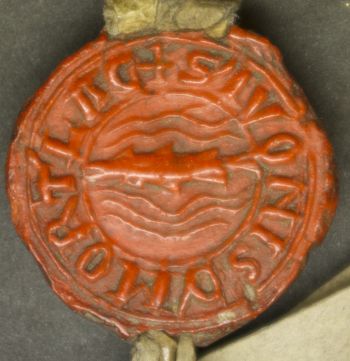
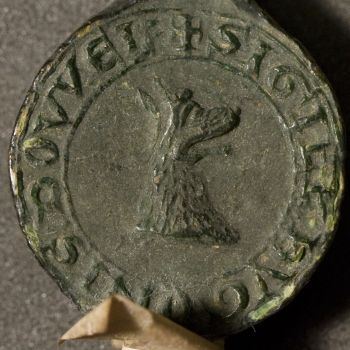
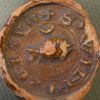

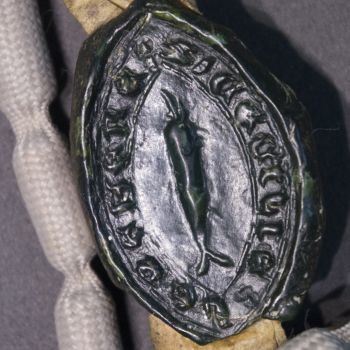
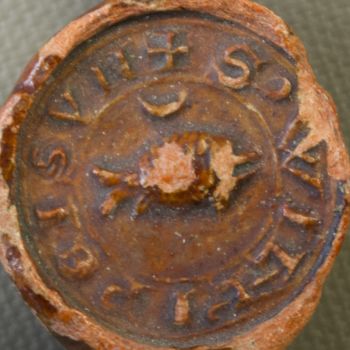
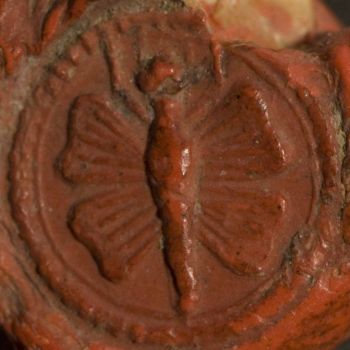

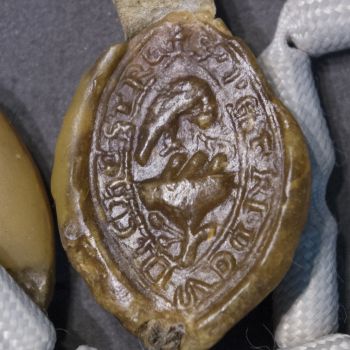
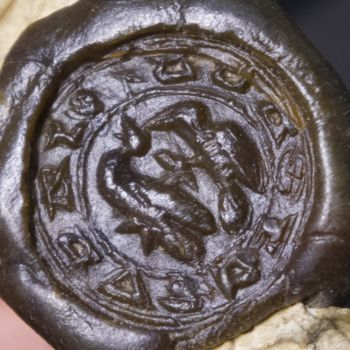
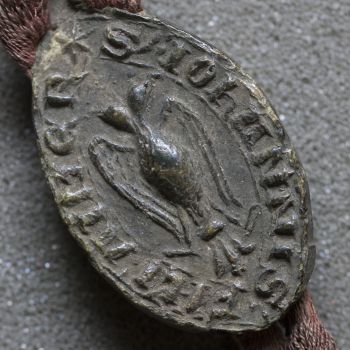
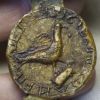
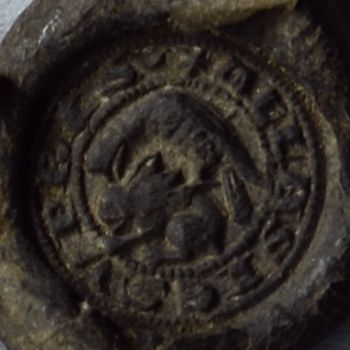
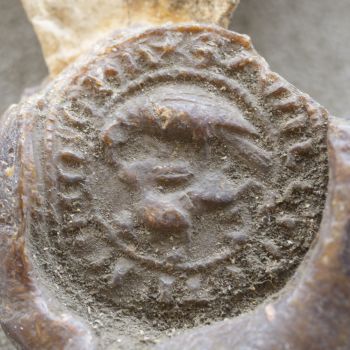
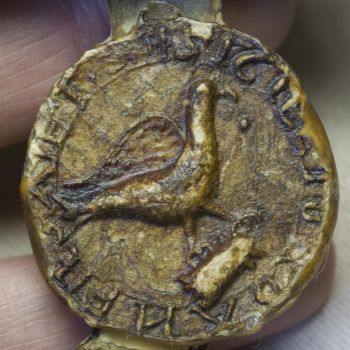
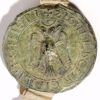




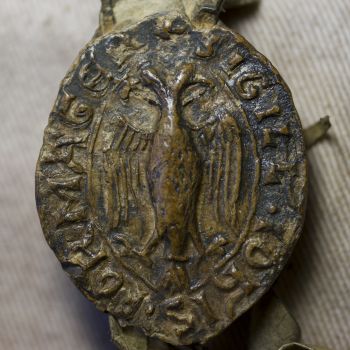

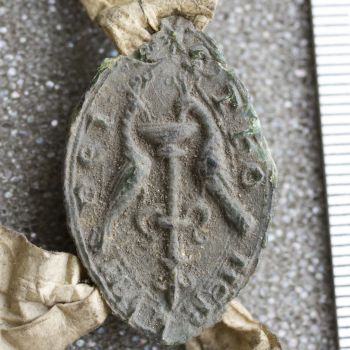
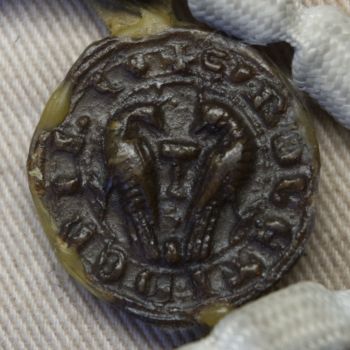
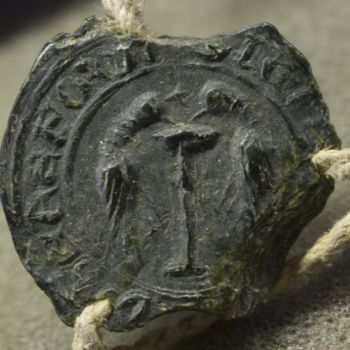
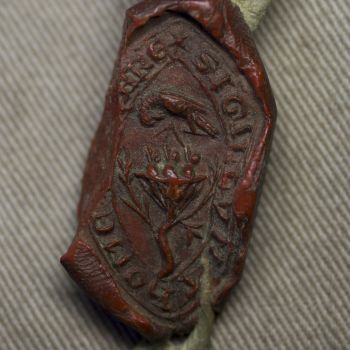
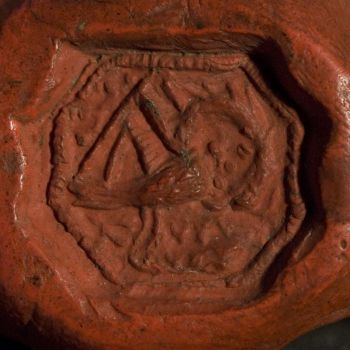

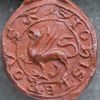

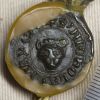

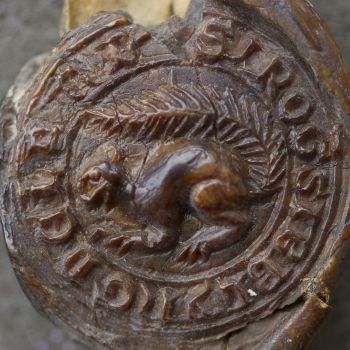
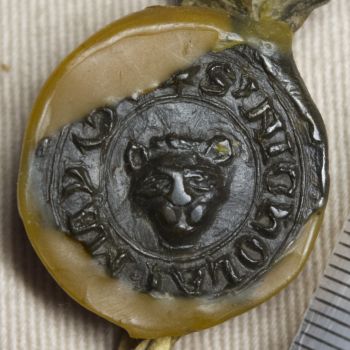
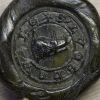
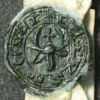
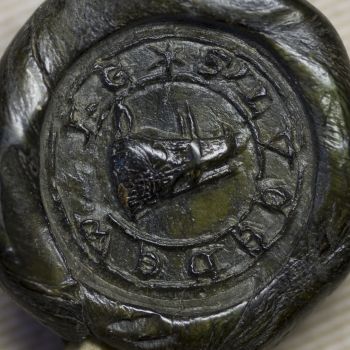

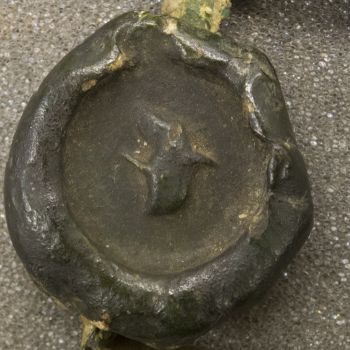
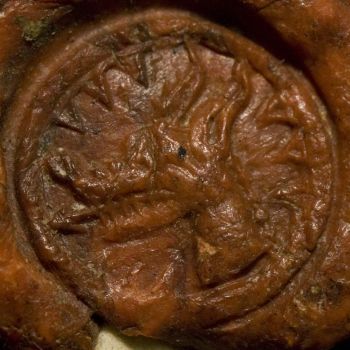
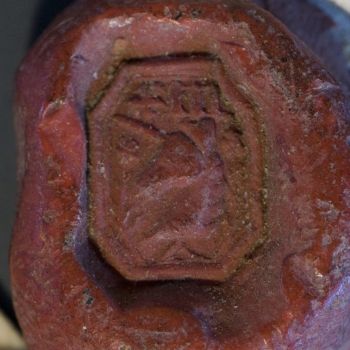
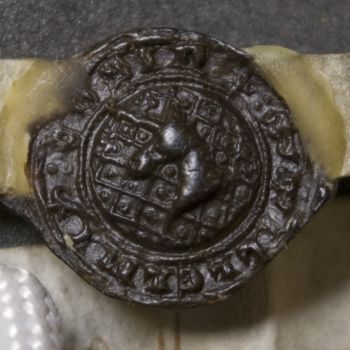
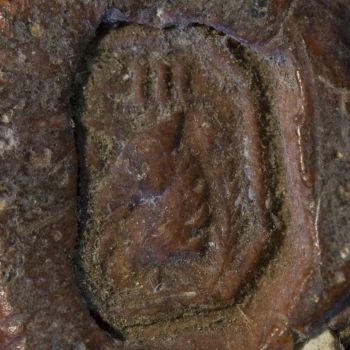
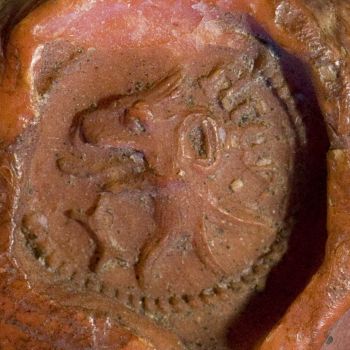

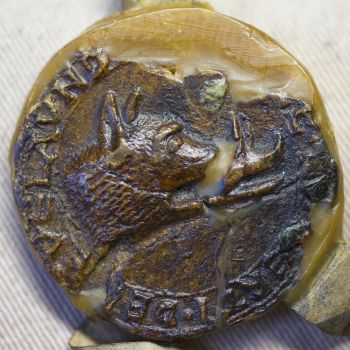
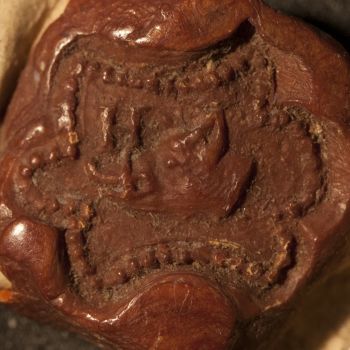
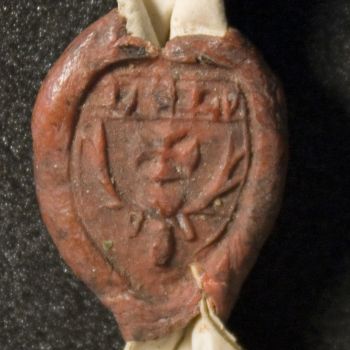











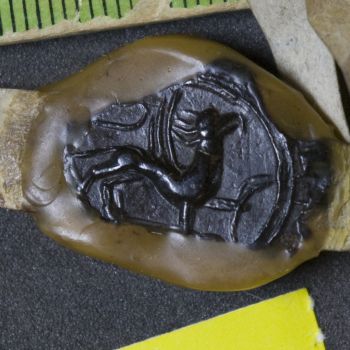
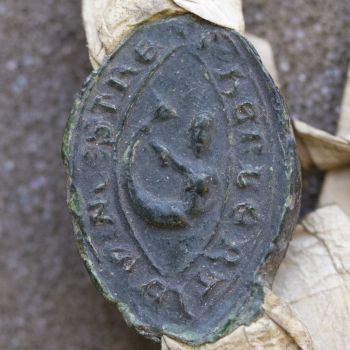
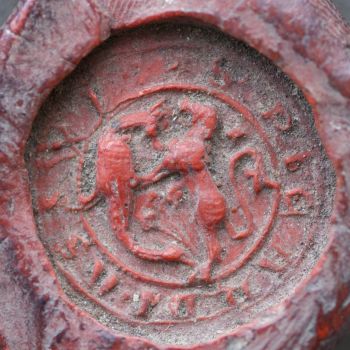

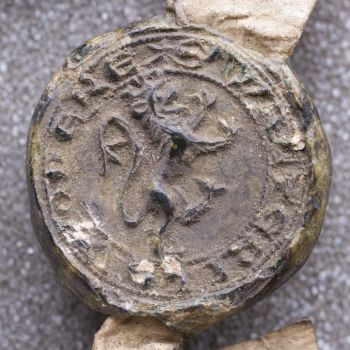
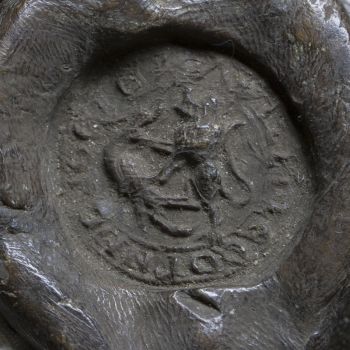
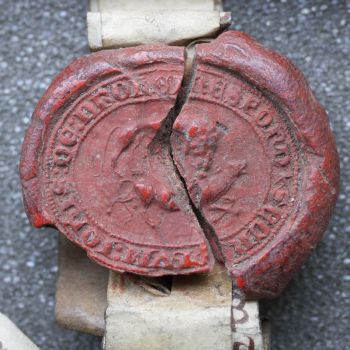
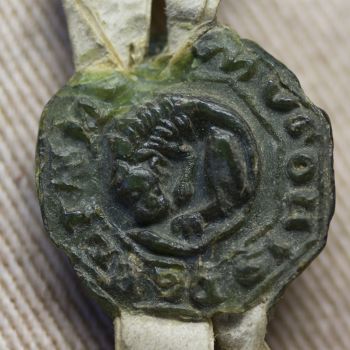

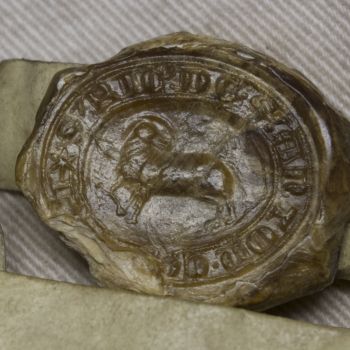
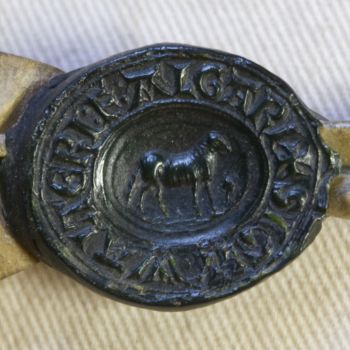
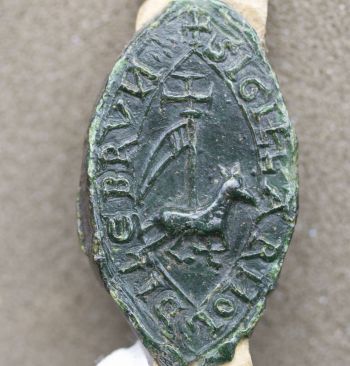
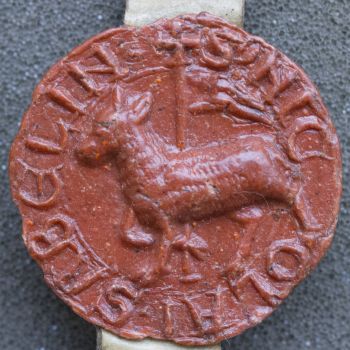

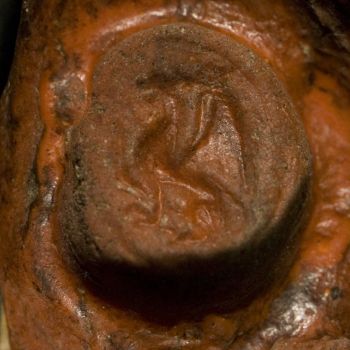
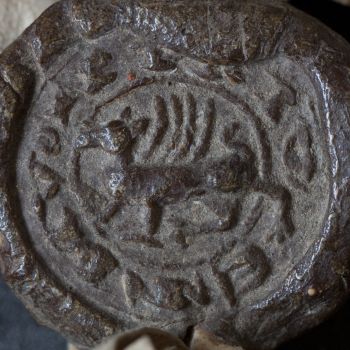
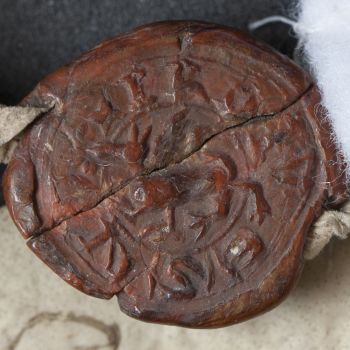
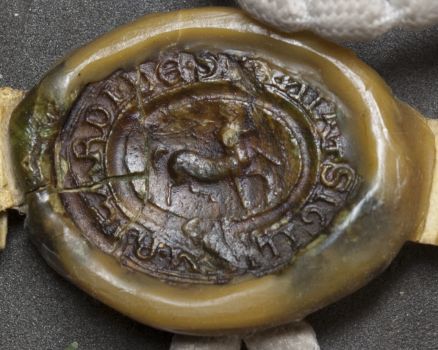




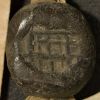
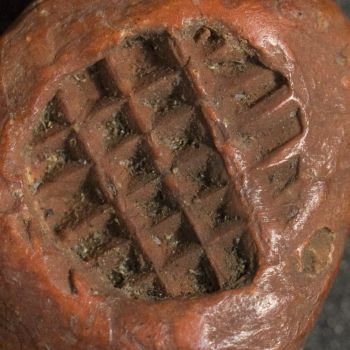
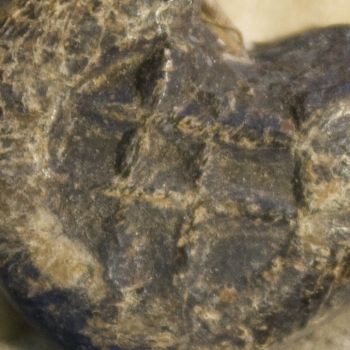
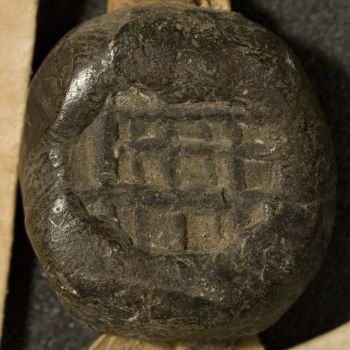

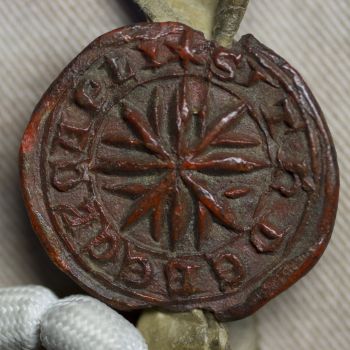




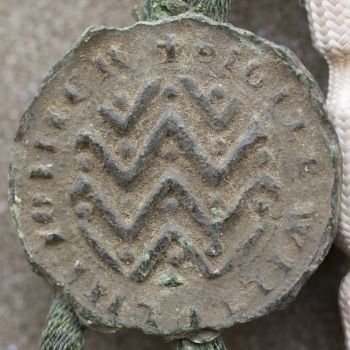

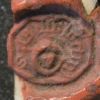
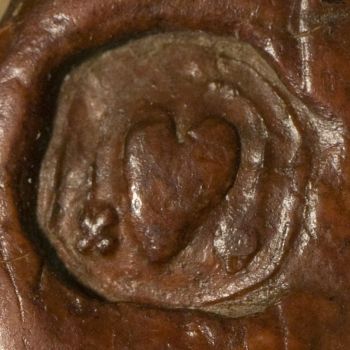
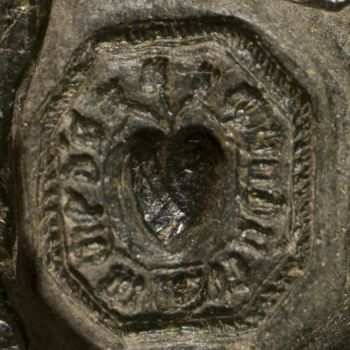
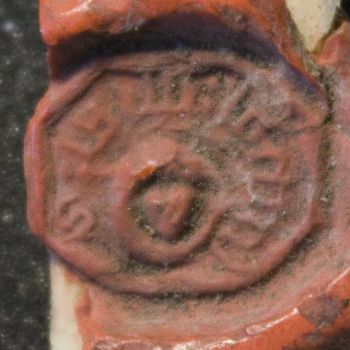






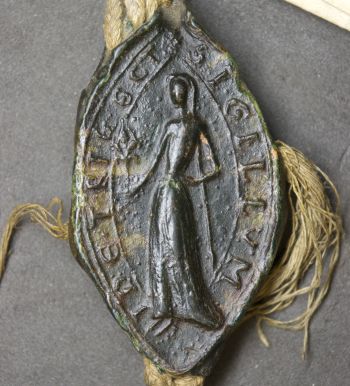
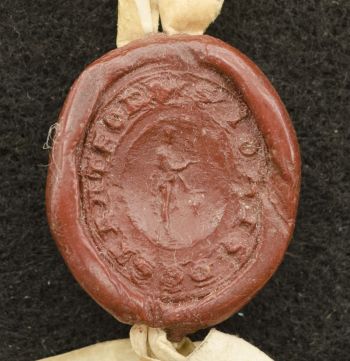

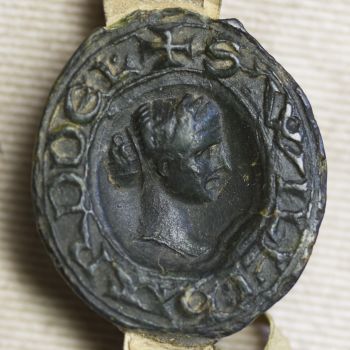
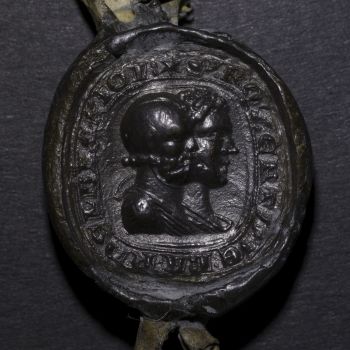
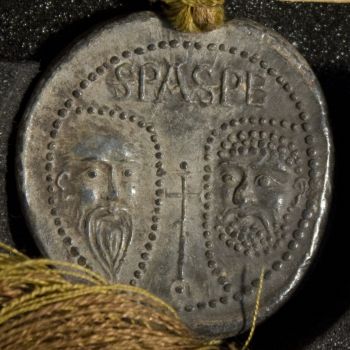
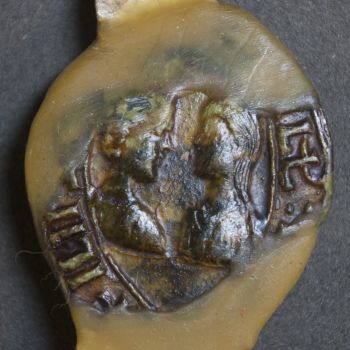
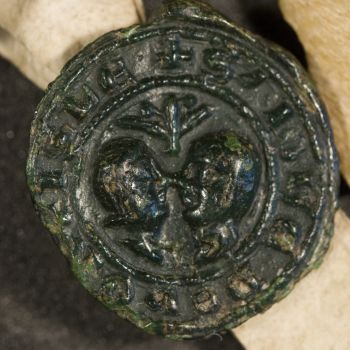



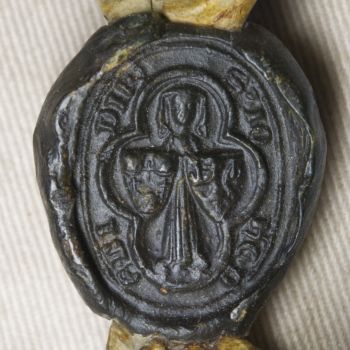





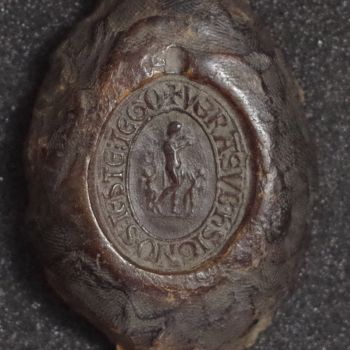
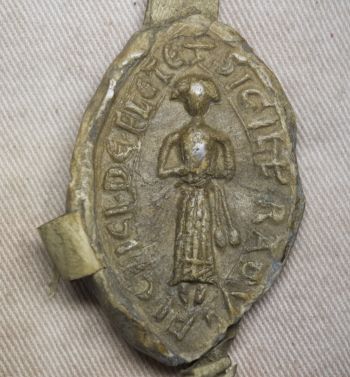



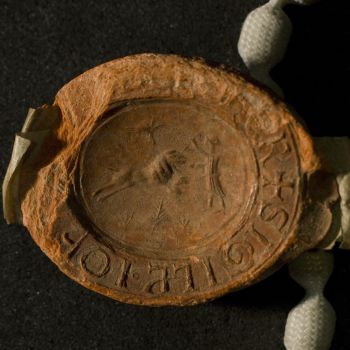




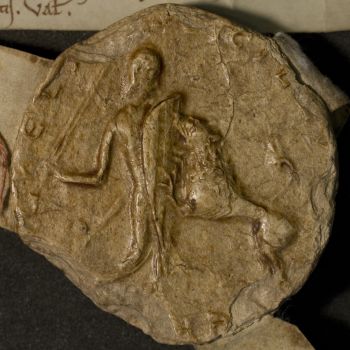
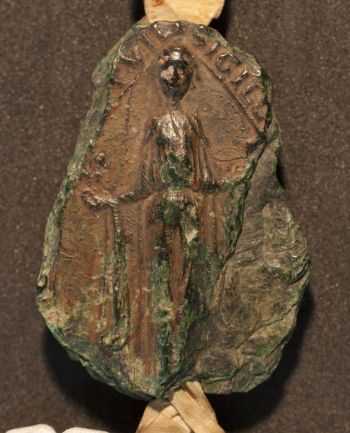


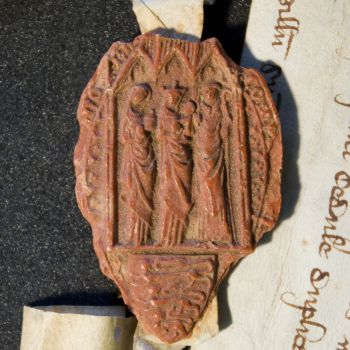




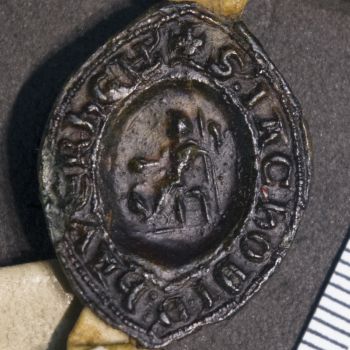


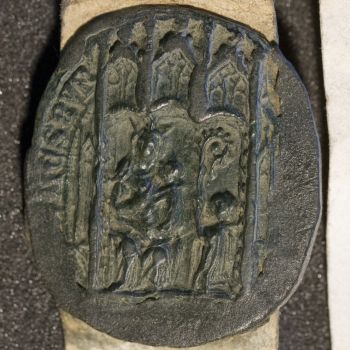


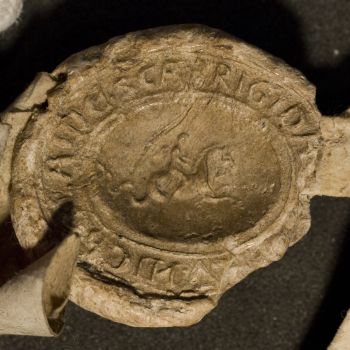



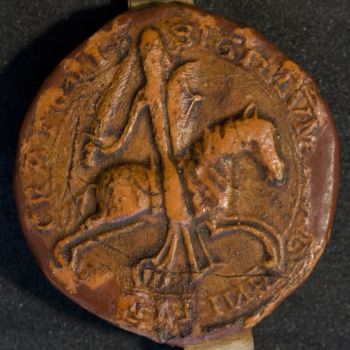



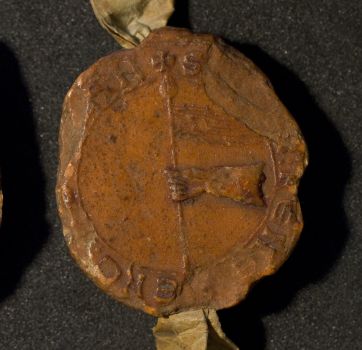



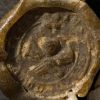
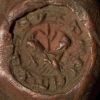
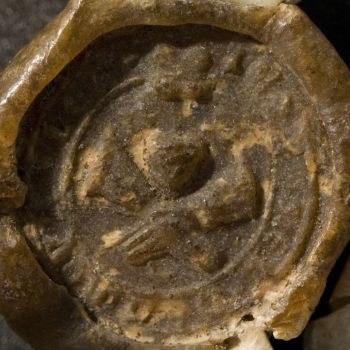
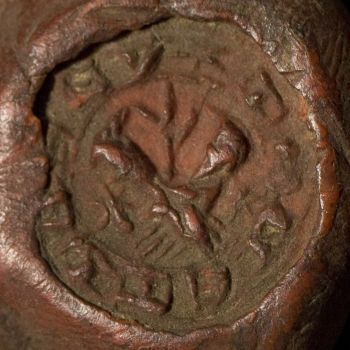
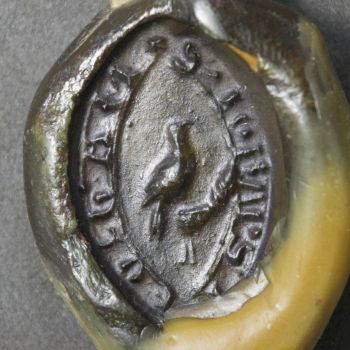
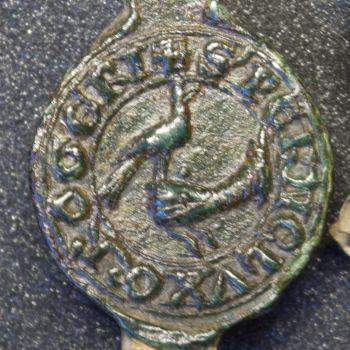

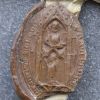


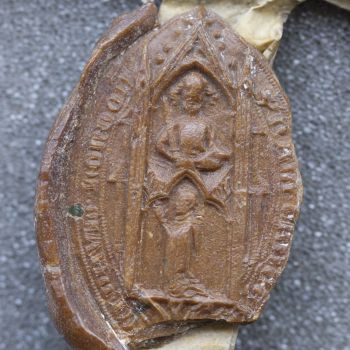



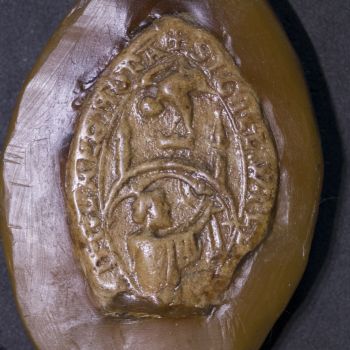
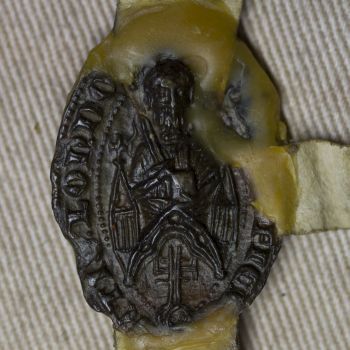
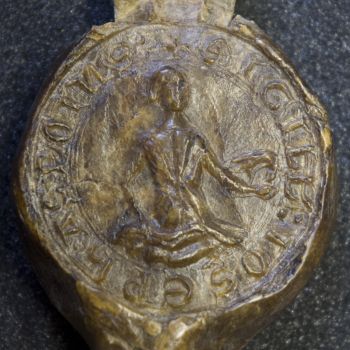
Object
Motif consisting of discrete visual or material things produced by human endeavour that can be touched or seen



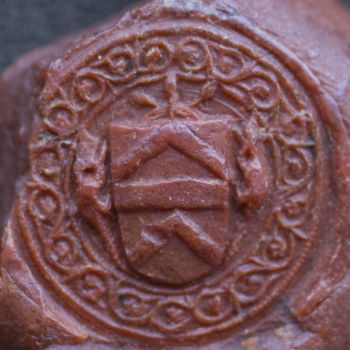

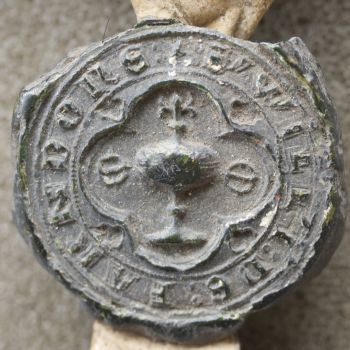


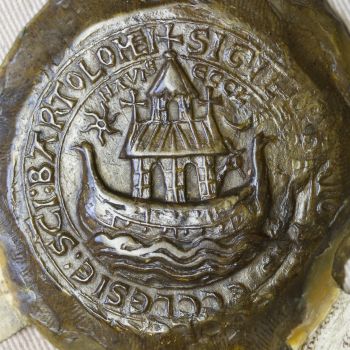


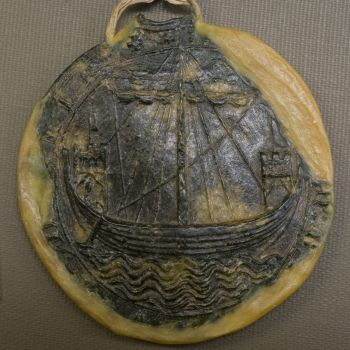
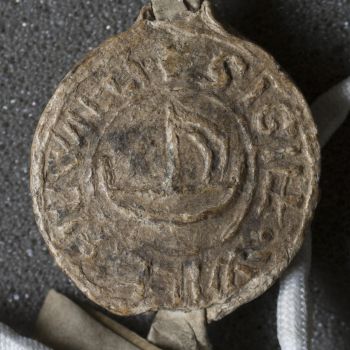
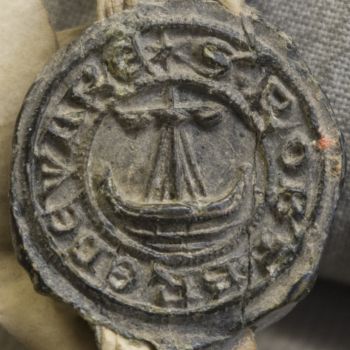
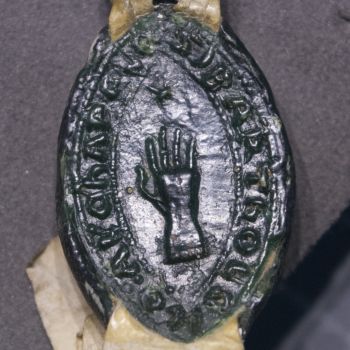

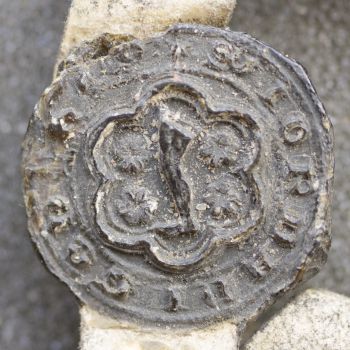

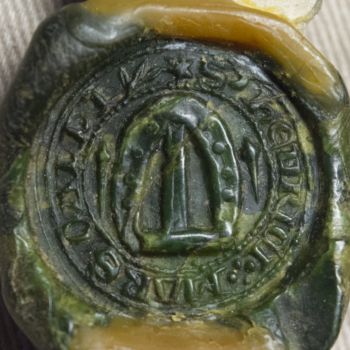
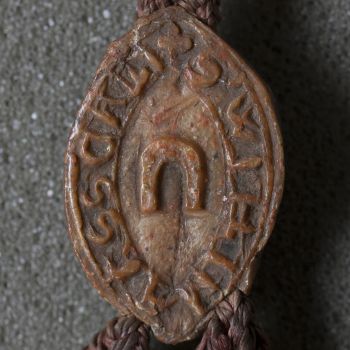




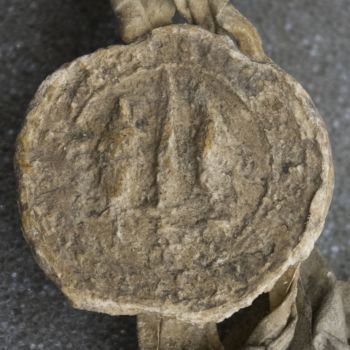
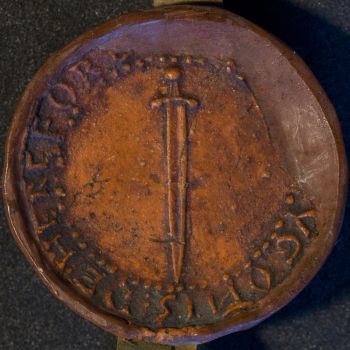
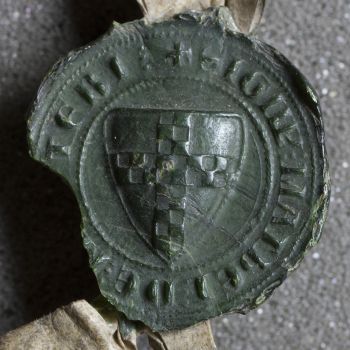


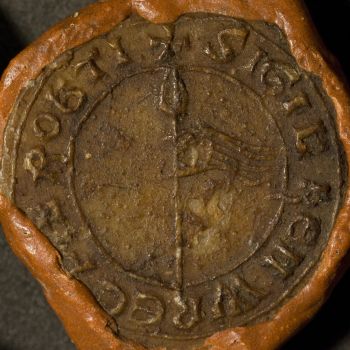
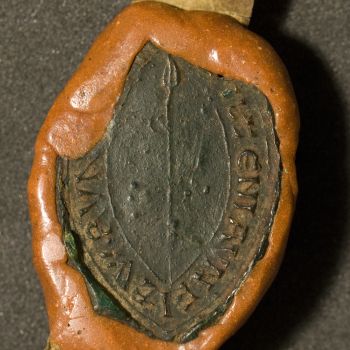
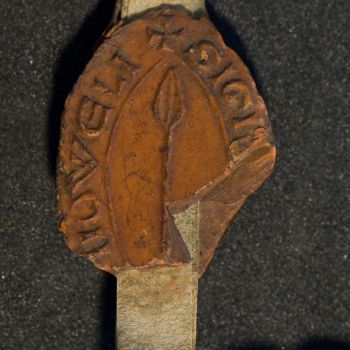
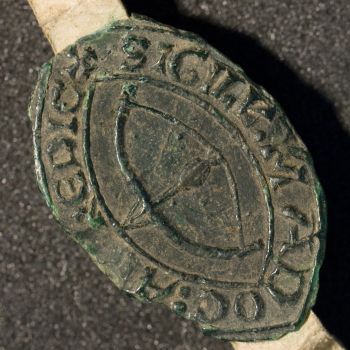



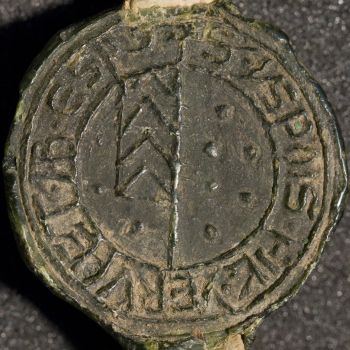



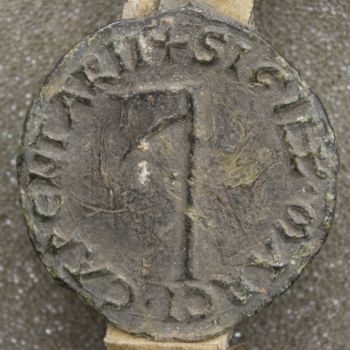
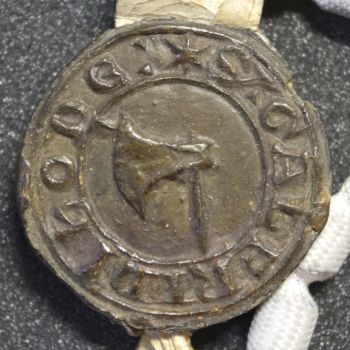
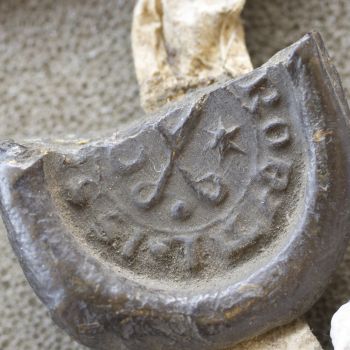

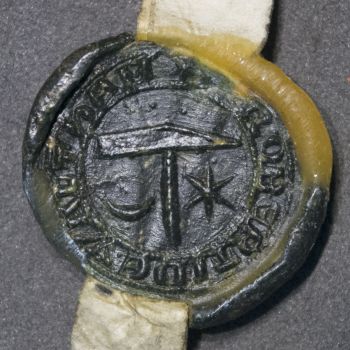
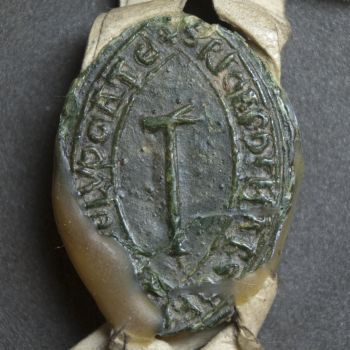

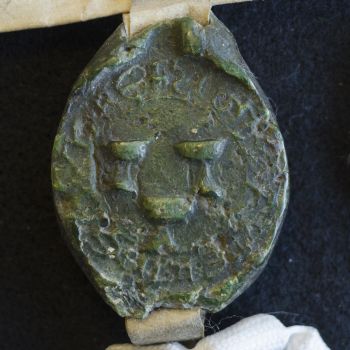
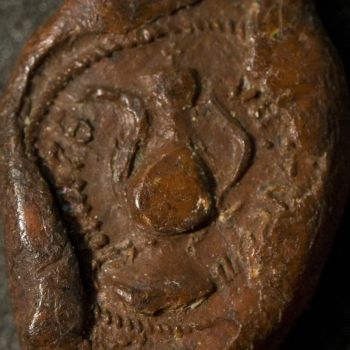
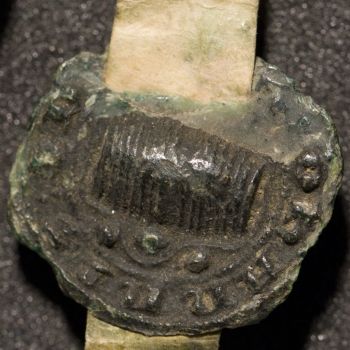
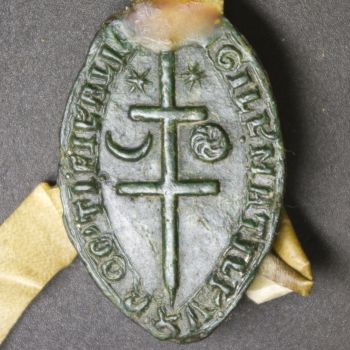
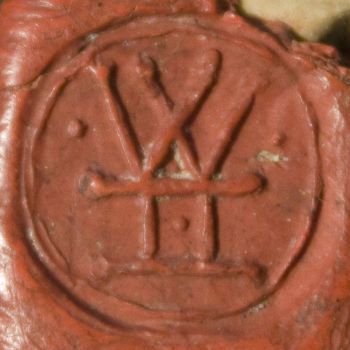
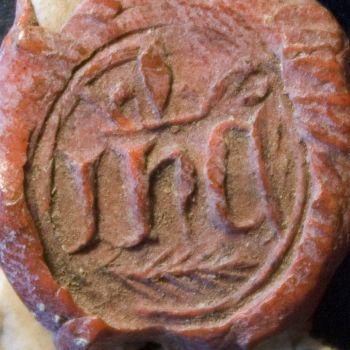


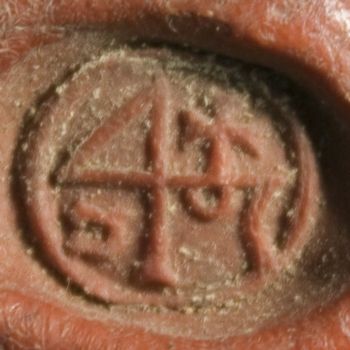


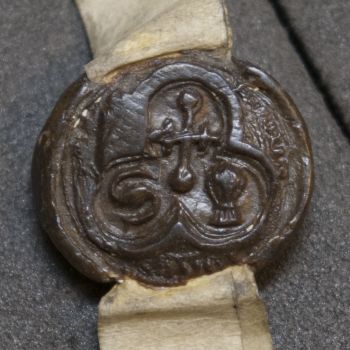
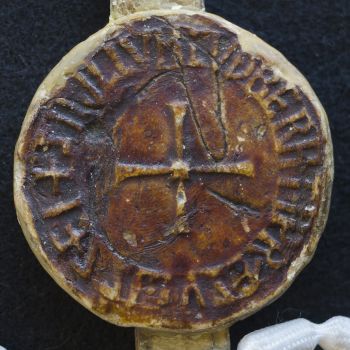


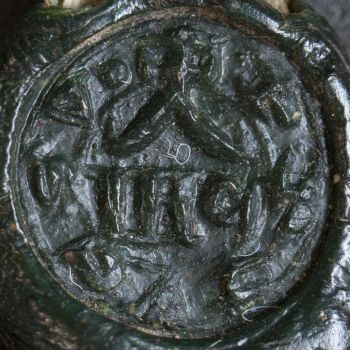
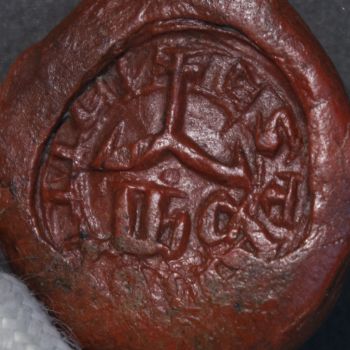


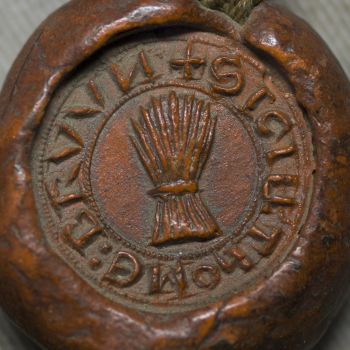
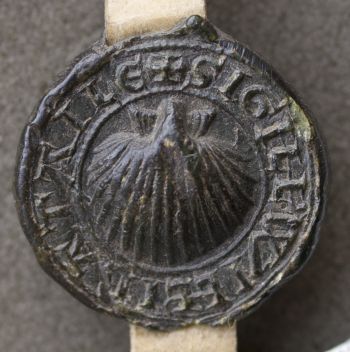
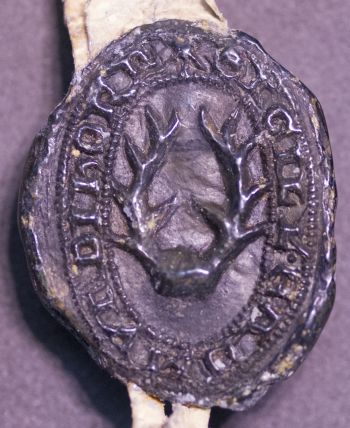
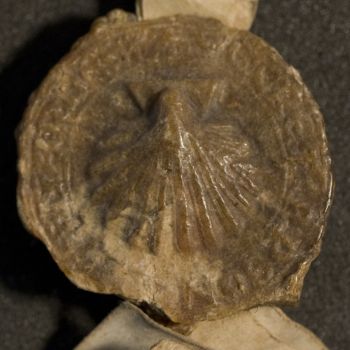
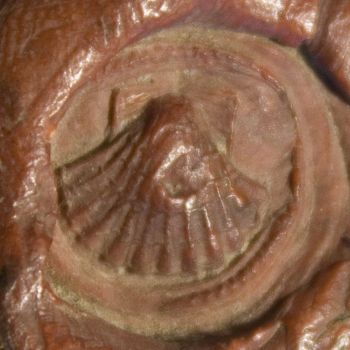
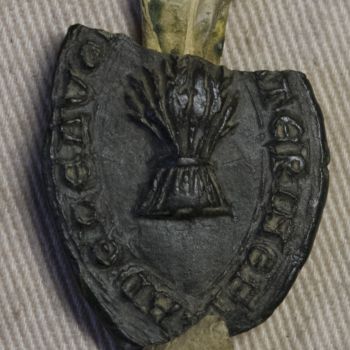
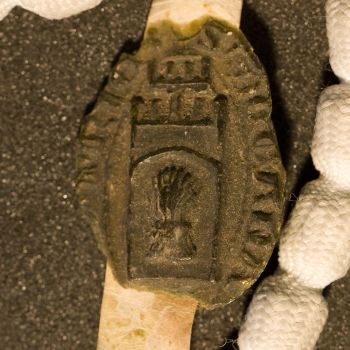
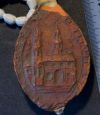
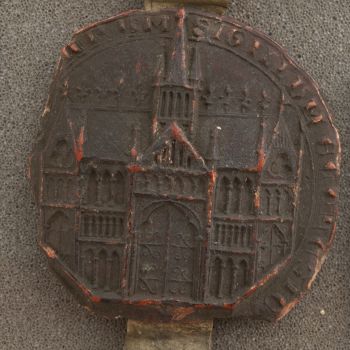
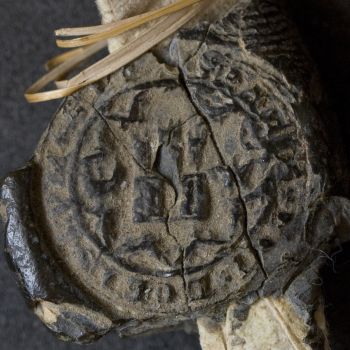
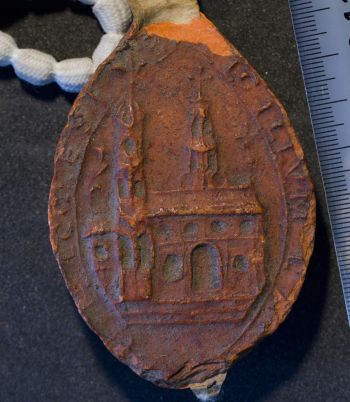

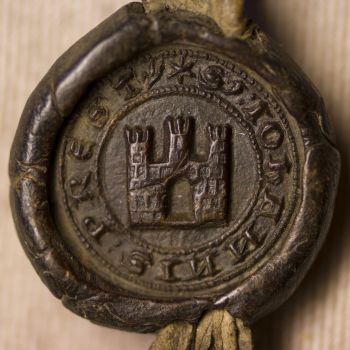
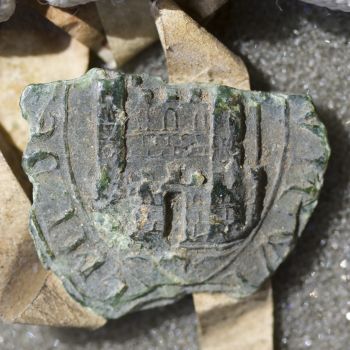
Shapes
Support
Pipe tamper
An instrument used to compress a substance into a smoking pipe
Offcut
An object that has been cut off.
Plaque
An inscribed tablet
Ring
Use specific type where known
Trial piece
Piece of work to test eventual pattern, sometimes small and used as a demonstration of crafter's skill.
Seal matrix
An instrument intended for creating seal impressions that bears a design that is engraved into the surface and in the inverse.
Mould
The instrument, which is the result of the moulding process, that enables the production of further casts.
Impression material
An object used for taking an impression from a seal matrix
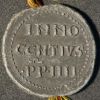
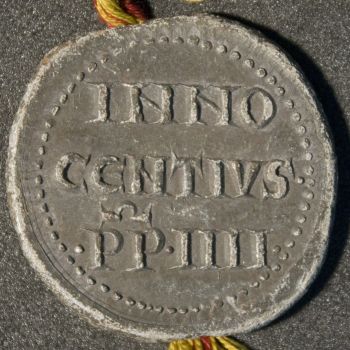
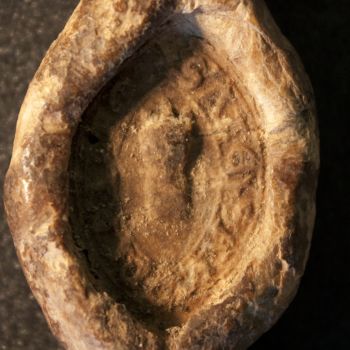
Bulla
A metal disk on which has been impressed, normally on two faces, by a seal matrix.
Food preparation equipment
Includes equipment for the consumption of food
Fob
A fob can consist of a chain and or a rig
Finger ring
A circular band, usually metal, worn on the finger for ornamentation.
Intaglio
Semi precious stone or glass engraved with a design and used to make an impression on wax or clay
Cast
A reproduction of a seal impression fabricated through the use of a mould.